Breastfeeding Is a Learned Skill, and You're Allowed to Need Support Learning It

Breastfeeding is a learned skill between mother and baby. Sometimes it works beautifully from birth. More often though, babies need time and nurture to learn how to breastfeed well, and mums need support and education to understand why challenges show up and how to work through them.
That's what we love doing at Best Start: assessing, brainstorming, supporting, educating, and providing evidence-based care to breastfeeding mums and babies. There is nothing more rewarding than watching a woman gain skills, knowledge and confidence, and giving a baby the time and space they need to learn.
"Breastfeeding was harder than labour"
I hear this often, and I find it genuinely disheartening.
During labour and birth, women have 1:1 support. They're nurtured, guided and cared for the entire time. After birth? They're discharged home, often before milk is even in, and expected to breastfeed and learn how to be a parent all at once, with a fraction of the support they had hours earlier.
There's a real gap in continuity, education and hands-on support through the fourth trimester. Breastfeeding is a global health priority, with overwhelming evidence showing why it matters, but very little structured support actually teaching families how to make it work in practice. We love filling that space.
Let's bust a few common myths
❌ "Nipple pain is normal." — False.
❌ "Babies are meant to feed every 3 hours." — False.
❌ "Giving formula in the evening will fill them up more." — False.
❌ "Your baby is just lazy at the breast." — False.
Reflux, colic, low weight gain and tongue tie are four of the areas where parents receive the most conflicting advice. Often it comes from well-meaning family, friends or even health professionals, but it's frequently opinion-based rather than evidence-based. It's rarely tailored to your individual baby, and it often doesn't account for the complexities of milk production, breast health, oral function and infant development all at once.
Seeking support early is one of the most powerful steps you can take
If breastfeeding is going smoothly, general advice may well be enough. But every new breastfeeding mum deserves the option of a thorough, individual assessment. It's a bit like seeing a Women's Health Physio after birth: not always essential, but incredibly beneficial when you do.
What makes a proper assessment different
At Best Start, our consults run for 90 minutes, because this isn't a case of quickly watching a feed and calling it done. We take a full history, including gynaecological history, pregnancy and birth history, breast health, and feeding patterns. We assess oral anatomy and function, supply, positioning and attachment, and a full breastfeed from start to finish.
Together, we build a plan, which is emailed to you, and we follow up with a phone call a few days later to check on progress. It's thorough. It's individualised. It's evidence-based.
My top tips for a smoother start
Link in with an IBCLC before birth. Preparation prevents so many early feeding issues. Knowing what's normal and what to look for builds confidence from day one, before you're sleep-deprived and trying to learn it on the fly.
See an IBCLC early after birth. Even if feeding starts well, the first few weeks bring rapid change. Breastfeeding is emotional as well as physical, and having guidance in place makes all the difference.
Go slow. Your baby may need time to establish feeding. Lots of skin-to-skin. Lots of opportunity. And protect your nipples, nipple pain is not something you should "push through." If your nipples are damaged, your baby isn't latched effectively. Protect your supply and seek support early, and express if needed to allow healing.
Be kind to yourself. Rest. Hydrate. Eat. Process your birth. The fourth trimester is a rollercoaster, and many mums don't even get time to process their labour before they're straight into navigating feeding.
Find your one trusted support person. Continuity of care is one of the strongest predictors of breastfeeding success. There's a minefield of information out there, and trying everything you read often leads to more confusion and frustration, not less.
Breastfeeding is a skill. And like any skill, you need the right education, tools, support and practice. You do not have to do this alone.
You don't need to wait for a 90-minute assessment to start feeling more prepared
A full IBCLC consult is exactly right when something specific needs untangling. But so much of what makes breastfeeding harder than it needs to be is simply not knowing what's normal, and not having anyone to check in with day to day.
That's exactly the gap the Best Start Breastfeeding Membership was built to fill. Inside, you'll get the same evidence-based education across every stage, from colostrum and the first hours through to pumping, challenges, and weaning, plus weekly group calls where you can ask your own questions in real time, and a community of mums who understand exactly what this stage feels like. If something more specific comes up along the way, you'll already have the continuity and trust in place to bring it to me directly.
You get 12 months of access for one payment of $299, or $70/month if you'd rather spread it out.
Join the Best Start Breastfeeding Membership
And if you're after a full individual assessment, whether feeding feels off or you simply want the reassurance of a proper check, I'd love to help.
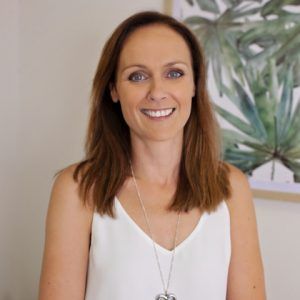
Eve Coote Best Start Lactation — "Evidence-based breastfeeding support for you and your baby."
Author